

A vacant rental unit represents the most significant financial loss a property owner faces. Beyond the immediate disappearance of monthly revenue, the costs of cleaning, advertising, and vetting new applicants quickly add up. Most owners mistakenly believe that a sudden departure is the result of a single disagreement or a major life event. In reality, the decision to move is usually a gradual process triggered by a series of small, unaddressed frustrations that build up over time.
Good tenants are the backbone of a successful real estate portfolio because they pay on time and treat the property with respect. Losing them creates unnecessary stress and risk. This article outlines how to identify the quiet signals that a tenant is preparing to leave. By spotting these trends early, you can take steps to fix issues and encourage a lease renewal before they sign a contract elsewhere.
8 Warning Signs a Vacancy is Coming
Maintaining a high rental property retention rate requires paying close attention to changes in how your residents interact with you. Most people do not announce their departure until they have already found a new place. Watch for these subtle shifts in daily habits and communication patterns that suggest their interest is fading.
- Sudden Silence in Communication
If a resident who previously reached out about small issues suddenly stops calling, they may have checked out mentally. This tenant engagement decline often happens when a renter decides the effort of reporting a problem is no longer worth it. They are likely planning to live with the issue until they move.
- Requests for Short-Term Extensions
A request to switch to a month-to-month arrangement is a clear signal. While some people need flexibility for work, many use this to bridge the gap while they house hunt. If you see this lease renewal hesitation, it is time to ask what would make them stay for another full year.
- Increased Property Tours or Inspections
Notice if your resident asks for more frequent access for their own reasons or if they seem overly concerned with the exact move-out requirements found in the Residential Tenancies Act. People preparing to leave often start cleaning deep corners or asking specific questions about the return of their security deposit funds.
- A Decline in Interior Upkeep
Reliable renters usually take pride in their living space. If a tidy person suddenly stops caring for the unit or lets clutter pile up, they might be packing or simply losing their emotional attachment to the home. This shift in renter property care is a strong indicator of a pending move.
- Inquiries About Breaking the Lease
Casual questions about the cost of ending a contract early should never be ignored. Even if they frame it as “just wondering,” it means they are actively calculating the financial cost of leaving. Addressing these lease termination inquiries immediately can sometimes resolve the underlying issue causing their desire to exit.
- Changes in Payment Patterns
While “good” tenants pay on time, a shift from early payments to the very last day of the grace period can show a loss of priority. Financial shifts or simple apathy towards the landlord often show up in the ledger first. This rent payment volatility suggests the tenant no longer feels settled.
- Unusual Number of Maintenance Requests
Sometimes, a flurry of small repair requests happens right before a tenant leaves because they want everything fixed for their own comfort or to ensure they get their deposit back. If you notice a spike in rental maintenance demands, it might be a final attempt to get their money’s worth.
- Less Cooperation with Management
When a resident becomes difficult to reach or stops replying to emails, the relationship has soured. Professionalism usually drops once a person decides they no longer need to impress their landlord. This landlord-tenant rapport breakdown is often the final stage before a formal notice of non-renewal arrives.
- Detailed Questions About Utility Costs
If a tenant begins asking for exact historical data on heating or water bills, they might be comparing your unit to a new prospect. This rental cost benchmarking behaviour suggests they are weighing the total cost of staying versus moving. It shows they are looking at the financial logic of their current home.
- The Removal of Personal Decor
The moment a tenant starts taking down pictures or storing small pieces of furniture, the unit stops being a “home” and starts being a “house.” This tenant de-personalization of the space is a physical sign that they have already checked out and are preparing for a swift relocation.
Why They Are Actually Leaving
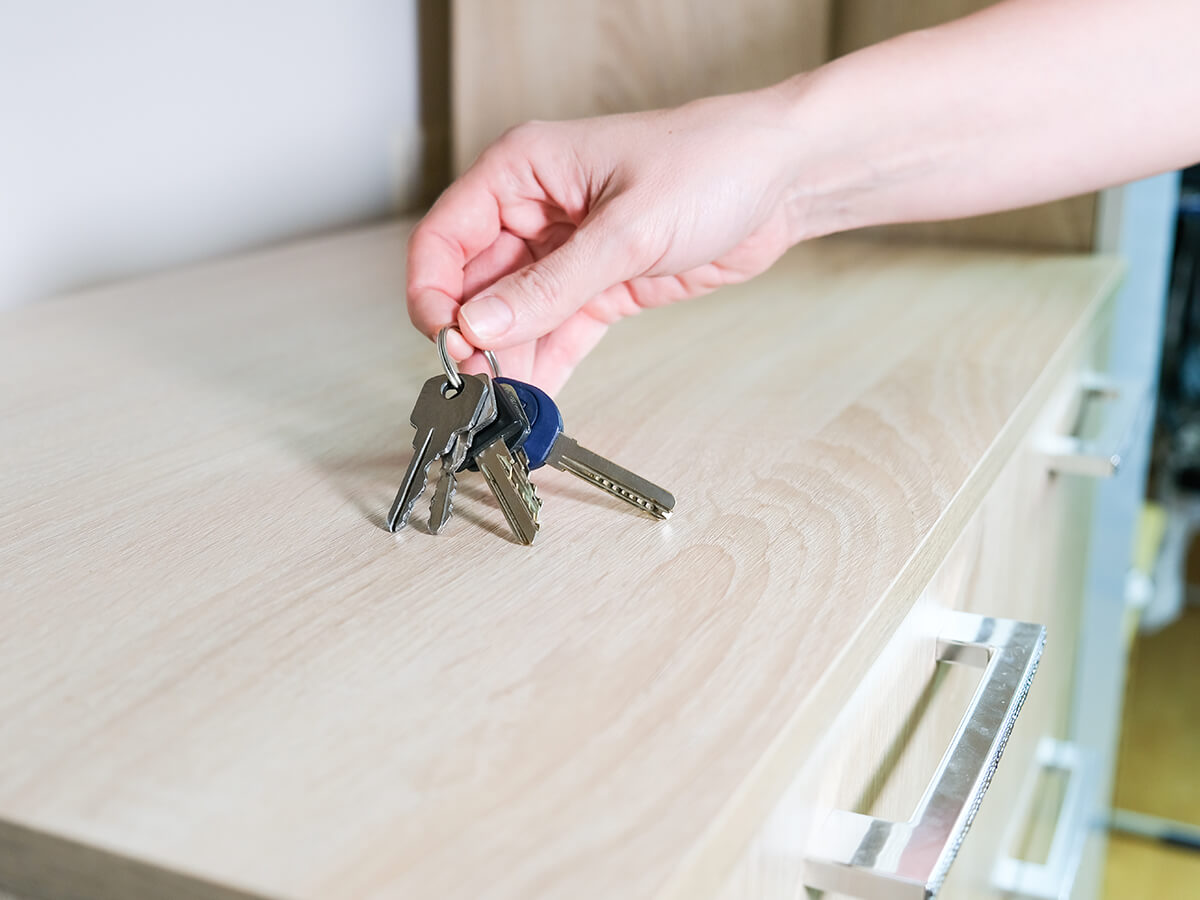
Turnover is often linked to localized market conditions and management quality. Understanding the primary causes of tenant turnover helps owners adjust their business model to keep their best customers satisfied and settled for the long term.
- Unresolved Maintenance Fatigue
The most common reason for a move is a slow response to repairs. When a resident has to ask three times to fix a leaky tap, they feel ignored. Over time, these unresolved rental repairs erode trust and make the tenant feel that the rent they pay is not respected.
- Rising Costs Without Added Value
While annual increases are standard, a tenant who sees their rent go up without seeing any improvements to the building will feel cheated. If the rental market price rises but the hallway carpet stays stained, they will shop around for a newer building that offers better value for their money.
- Poor Communication and Friction
A landlord who is hard to reach or overly aggressive creates an environment of stress. Most people want their home to be a sanctuary. If interacting with management feels like a battle, they will seek a peaceful rental environment elsewhere, even if it means paying a slightly higher monthly rent.
- Better Incentives Elsewhere
Newer buildings often offer “one month free” or upgraded amenities like gyms and workspaces. If you are not keeping up with local rental competition, your residents will notice. They leave because they see more modern features for the same price they are currently paying you every month.
- Changes in Life and Space Needs
Sometimes the move is not your fault, but rather a need for more room. A tenant who starts working from home might need a second bedroom. If you do not have a larger unit to offer them, this tenant space requirement change forces them to look at other property listings.
Proactive Strategies to Save the Lease
Lowering your annual vacancy rate requires a shift from being a bill collector to being a service provider. Taking the initiative to check in on your residents can prevent a move before the thought even crosses their mind. Use these methods to strengthen your renter retention strategy.
- Perform Regular Wellness Checks
Do not wait for a pipe to burst to talk to your tenant. Send a brief note every six months asking if there is anything they need. This proactive property management shows that you care about their comfort. Often, a small fix like a new showerhead can satisfy a frustrated renter.
- Offer Incentives for Renewals
When a lease is nearing its end, offer a small upgrade rather than just a rent increase. Adding a new appliance or painting a room costs less than a month of vacancy. These lease renewal incentives make the tenant feel like they are getting a deal for staying put.
- Keep Rent Increases Fair
Check the provincial guidelines, such as those set by the Ontario Landlord and Tenant Board, to ensure your increases are reasonable. A massive jump in price is the fastest way to lose a good person. Aim for fair market rent adjustments that reflect the actual value of the unit.
- Improve the Digital Experience
Make it easy for people to pay rent and request repairs through an online portal. Reducing friction in the day-to-day management of the home creates a better tenant user experience. People are less likely to leave a home where the administrative side of living is completely seamless and easy.
- Build a Professional Relationship
Treat your tenants like valued clients. A simple holiday card or a quick thank-you note after a long-term tenancy milestone builds loyalty. This landlord-tenant relationship building creates a sense of community. It is much harder for a person to leave a landlord they genuinely like and trust.

The financial health of a rental investment depends entirely on the stability of the people living inside it. By identifying the signs of a “slow burn” exit—such as silence, hesitation, or a drop in property care—you gain the opportunity to intervene. Addressing the root causes of dissatisfaction, like poor communication or neglected repairs, can save a lease and prevent the high costs of a vacancy. High-quality residents stay when they feel their presence is valued and their home is well-managed.
Managing these relationships requires time, patience, and a professional touch that not every owner has the capacity to provide. If you find yourself struggling to keep up with tenant demands or want to ensure your units stay occupied with the best possible renters, professional help is available. For expert assistance in managing your rental assets and keeping your turnover low, reach out to the team at Rest Easy Property Management, contact at (343) 880-EASY (3279).