
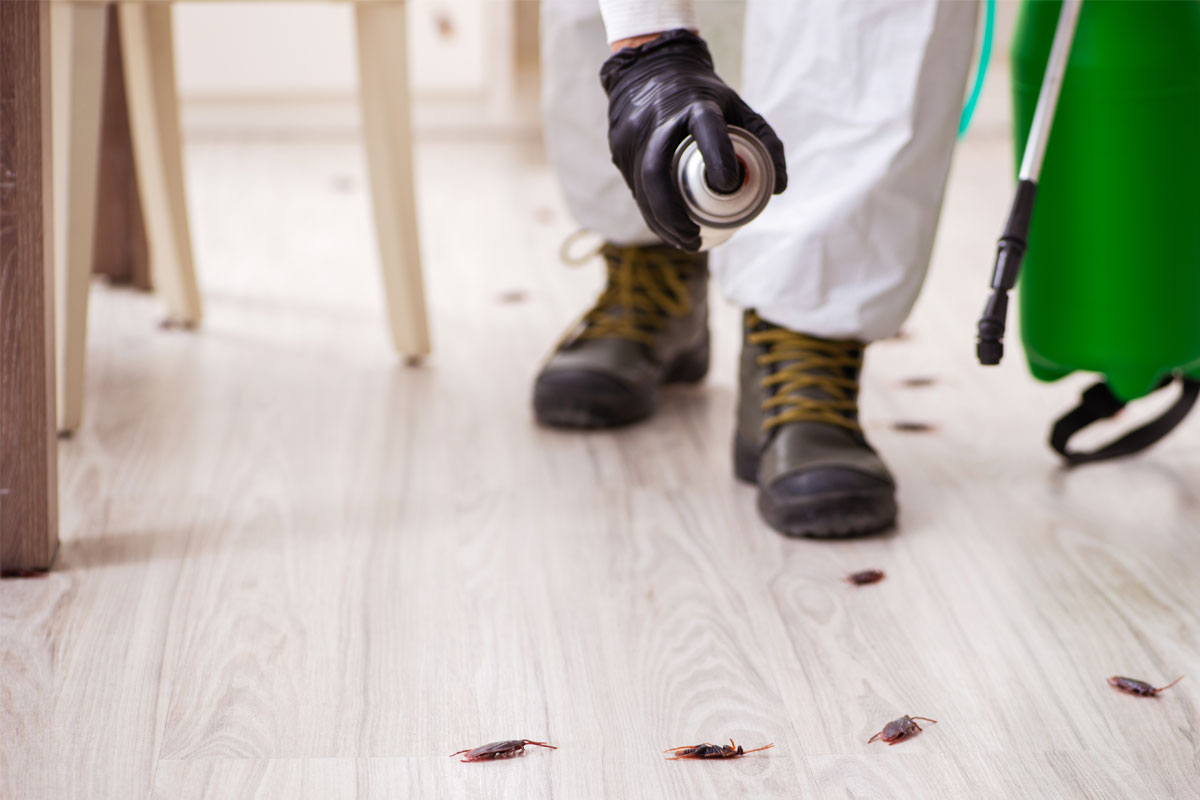
A small pest problem can turn into an expensive, reputation-damaging nightmare overnight. Bedbugs and other common pests are masters of hitchhiking and hiding; waiting for a tenant to complain often means you’re already dealing with a full-blown infestation. Property owners who fail to monitor their units frequently incur significant financial losses and legal issues under provincial housing frameworks.
Shifting from a reactive mindset to a proactive, routine inspection protocol shields your real estate investments from compounding structural and financial harm. This guide covers exactly what to look for, where to look, and a step-by-step checklist to save thousands in extermination fees. Implementing regular commercial pest control strategies ensures multi-unit buildings remain safe, sanitary, and compliant with municipal property standards.
Why Routine Inspections Are Your Best Line of Defense
Adopting a fixed schedule for suite examinations alters how a building operates. Relying solely on occupant reports can lead to long delays, as many residents fail to notice or conceal initial pest activity due to social stigma or fear of retaliatory costs. Regular checks allow landlords to unearth issues while they remain confined to a single room or unit.
According to health reports from major urban centres, early remediation drops treatment costs significantly compared to widespread building interventions. Establishing explicit property management pest control guidelines guarantees that property managers can identify problems before bugs spread through shared walls, utility conduits, and common corridors.
- Mitigating Financial Liabilities: Finding insects early prevents expensive chemical or thermal treatments across multiple adjacent apartments. Landlords save thousands of dollars on specialized contractor fees by resolving localized issues before bugs spread through structural voids. This fiscal discipline protects the annual operating budget of your real estate portfolio.
- Preserving Asset Reputation: Word of a severe bug outbreak spreads quickly among renters and online review boards, driving down property values and leaving units unoccupied. Regular maintenance checks keep your building clean, ensuring high tenant retention rates and stable rental income. A clean record attracts premium applicants during vacancy cycles.
- Meeting Legal Obligations: Canadian provinces require landlords to maintain rental premises in a good state of repair and fit for habitation. Routine inspections provide documented proof that you are actively meeting these legislative duties under regional residential tenancy acts. This paperwork protects owners during formal dispute hearings.
- Minimising Tenant Turnover: Residents move away from properties that suffer from chronic, unaddressed insect issues. Correcting pest entry points promptly fosters long-term tenancies, reducing the vacancy losses associated with cleaning and marketing empty units. Stable occupancies improve the overall community atmosphere.
- Preventing Structural Damage: Certain pests, like rodents and wood-boring insects, destroy structural elements, wiring, and insulation if left unchecked. Early detection stops physical destruction before it compromises building safety or creates fire hazards. Protecting the physical plant preserves long-term capital value.
Visual Warning Signs

Detecting bedbugs requires a trained eye that focuses on microscopic physical evidence rather than waiting to see live, adult insects crawling in the open. Because these parasites are nocturnal and exceptionally flat, they spend daylight hours wedged deep inside dark crevices near human sleeping areas. Inspectors must use high-intensity flashlights and magnifying tools to scan every seam, joint, and crevice within a two-metre radius of beds and lounge furniture.
Health Canada notes that physical evidence of bedbugs remains the most reliable indicator of a problem, as individual reactions to bites vary widely and cannot be used for official diagnosis. Knowing how to spot early signs of bedbugs ensures that a small introduction does not transform into a multi-unit emergency.
- Faecal Spotting and Smudges: Small, dark brown or black spots on mattresses and sheets indicate digested blood dropped by resting insects. These marks bleed into the fabric like ink from a fine-tipped pen and do not rub away easily. Check mattress seams, zipper tracks, and baseboards closely.
- Shed Insect Exoskeletons: Growing nymphs shed their golden-brown outer skins five times before reaching maturity. These hollow, translucent casings retain the shape of the insect and accumulate in clustered hiding spots. Finding these shells confirms that an active, growing population is present nearby.
- Viable Egg Clusters: Female bedbugs lay tiny, pearly-white oval eggs that measure about one millimetre in length, sticking them firmly to rough surfaces. These microscopic eggs resemble small grains of rice and are often glued inside dark joints of wooden bed frames. Specialized illumination helps make them visible.
- Unexplained Blood Stains: Small, bright red or rusty smears on bed linens happen when sleeping tenants accidentally crush engorged bugs. These fresh stains appear on pillowcases, sheets, and duvet covers, prompting an immediate, deep examination of the underlying mattress structure.
- Distinct Musty Odours: Large populations produce a sweet, musty scent released from their scent glands, often compared to coriander or damp rotting wood. This biological aroma becomes noticeable in severe cases where bugs congregate behind headboards or inside electrical outlets. Any unusual room smell requires investigation.
Spotting Other Common Property Pests
While bedbugs demand significant attention, multi-unit residential buildings face constant pressure from a variety of other destructive organisms that compromise sanitation. Cockroaches, mice, rats, and structural ants exploit small gaps in building envelopes to access food, water, and climate-controlled nesting sites. Statistics Canada data on housing conditions indicate that older urban buildings and high-density neighbourhoods experience higher baselines of pest activity, making comprehensive monitoring essential. A successful property inspection protocol must train staff to recognize the distinct signs of multiple species simultaneously. Identifying these diverse threats early allows for targeted early pest detection methods that stop structural damage and prevent the spread of allergens.
- Cockroach Egg Cases: German cockroaches drop small, capsule-shaped egg cases known as oothecae in warm, damp zones like under sinks and behind refrigerators. These dark brown bands hold dozens of nymphs, signaling an immediate need for targeted gel baits. Check behind kitchen appliances during every visit.
- Rodent Droppings and Tracks: Mice and rats leave small, dark, spindle-shaped feces along baseboards, inside kitchen pantries, and near utility pipe entrances. Fresh droppings remain soft and dark, while older waste appears grey and crumbly. Finding these tracks identifies active travel paths through the unit.
- Grease Rub Marks: Rodents have oily fur that leaves dark, smudged travel lines along walls, pipes, and baseboards as they travel identical paths nightly. These greasy tracks point directly to the holes and structural breaches the animals use to enter wall cavities.
- Piles of Coarse Frass: Carpenter ants excavate structural wood to build nests, pushing out fine piles of sawdust known as frass beneath wooden structures. Unlike termites, these ants do not eat wood, so their waste contains insect fragments and fibrous shavings. Look for frass along sill plates.
- Chewed Wiring and Drywall: Rodents possess teeth that grow continuously, forcing them to gnaw on hard materials like electrical insulation, plastic pipes, and drywall edges. Finding fresh teeth marks or unexplained drywall dust indicates an active rodent problem that threatens building safety.
What to Do If You Find Something

Discovering evidence of pests during a routine check requires immediate, structured action to contain the biological material and prevent regional spread. Landlords must never attempt to resolve significant infestations using over-the-counter foggers or unverified home remedies, as these methods often scatter insects deeper into wall voids. Instantly document the findings with high-resolution photographs, note the exact location on your digital floor plan, and issue an official service request to a licensed professional.
Following established integrated pest management steps ensures that treatments remain safe, targeted, and highly effective. Prompt execution prevents minor local issues from blowing up into full-building problems.
- Isolate the Affected Areas: Restrict the movement of items out of the infested zone to stop bugs from spreading to clean rooms. Keep windows and doors shut, and instruct occupants not to relocate bedding, clothes, or furniture into common hallways. Containment remains your priority.
- Document all Physical Evidence: Take clear photographs of live insects, faecal spotting, or structural damage with a scale marker for context. Save physical specimens in sealed plastic vials to show your pest control provider for precise species identification. Correct identification dictates the treatment strategy.
- Notify Licensed Pest Professionals: Contact an insured, licensed extermination company to schedule an expert assessment of the property within twenty-four hours. Provide the technician with your detailed inspection notes and photographs to accelerate their treatment plan. Speed reduces overall remediation costs.
- Provide Tenant Preparation Instructions: Give the resident a detailed list of tasks to complete before the technicians arrive, such as laundering fabrics on high heat. Clear cooperation from occupants ensures chemical or thermal treatments reach every hidden insect hideout. Education maximizes the success of the treatment.
- Schedule Mandatory Follow-Up Checks: Plan follow-up inspections two weeks after the initial pest treatment to ensure all eggs and surviving insects are gone. Continual monitoring confirms the elimination of the pest cycle before you sign off on the work. Never assume a single visit solves the problem.
Maintaining a clean, pest-free rental property demands continuous observation and a proactive operational framework. By shifting from a reactive approach to structured routine inspections, property owners protect their investments, satisfy provincial health regulations, and foster positive relationships with tenants. Identifying early warning signs—from bedbug faecal spotting to rodent travel marks—saves thousands of dollars in emergency remediation fees and preserves the long-term market value of your real estate portfolio. Consistency remains your ultimate shield against the hidden operational disruptions caused by structural pests.
Do not wait for a minor pest issue to turn into an expensive, tenant-disrupting emergency across your real estate holdings.
For professional management solutions that keep your properties compliant, secure, and meticulously inspected year-round, trust the local market experts. To experience worry-free ownership, let Rest Easy Property Management handle your daily operations. Contact us at (343) 880-EASY (3279) today to secure your investment portfolio.