
Owning real estate is a proven path to wealth, yet it requires a careful balancing act. You must protect a major financial asset while honoring the legal right of your tenant to enjoy their home in peace. Successful property management relies on maintaining this delicate equilibrium through clear communication and structured processes.
Failing to check on your asset leads to severe financial losses. Minor issues like a dripping pipe under a sink can quickly turn into structural rot or hazardous, toxic mould growth. Skipping scheduled structural reviews also allows unauthorized occupants or unapproved companion animals to stay on the property, which breaches lease terms and creates major legal liabilities. This resource outlines a clear framework to execute lawful, exhaustive checks that preserve your physical building and foster a positive relationship with your residents.
Why Regular Rental Inspections Are Non-Negotiable
Property owners often treat asset checks as an afterthought, yet data shows this oversight drains profits. According to CMHC housing market data, emergency structural repairs cost up to four times more than planned maintenance. Regular visits allow you to find small issues before they require major capital. Routine rental property evaluation helps investors protect their insurance coverage, as many Canadian policies require periodic checks to keep water damage clauses active.
- Catching Water Leaks Early: Small drips under sinks or behind toilets cause severe structural rot over time. Finding these issues early prevents toxic mould and saves thousands of dollars in restoration bills.
- Enforcing Tenancy Agreement Terms: Regular visits ensure occupants follow the lease rules. You can easily spot unauthorized residents, smoking violations, or unapproved domestic animals that breach your contract.
- Validating Insurance Policy Compliance: Many Canadian property insurance policies demand regular unit checks to maintain coverage. Missing these mandatory visits can cause providers to deny your claims after a major incident.
- Extending Major Appliance Lifespans: Checking items like stoves, fridges, and HVAC systems keeps them running efficiently. Cleaning dust filters and verifying seals stops early mechanical breakdowns and lowers replacement bills.
- Improving Tenant Retention Rates: Tenants appreciate owners who take care of the property. Fixing small problems during a visit shows your dedication, which encourages good residents to renew their leases.
- Documenting Unit Legal Safety: Regular checks prove you maintain a safe living environment. Checking smoke alarms and carbon monoxide detectors protects you from huge liability claims if an accident happens.
The 4 Types of Inspections Every Landlord Needs to Know

Every stage of a tenancy requires a different style of assessment to track the condition of the home. Using a standardized landlord property walkthrough checklist ensures you collect clear evidence at the right times.
- Move-In Condition Inspection: You must complete this walkthrough with the new occupant before they move their furniture inside. Both parties sign a detailed report to establish the baseline condition of the entire unit.
- Routine Operational Assessment: This seasonal check happens every three to six months to look for maintenance needs. It focuses on plumbing joints, structural items, safety tools, and general upkeep without disrupting daily life.
- Drive-By Exterior Overview: This quick outdoor review requires no advance notice because you remain on public property. You check the roof lines, gutter alignment, lawn maintenance, and window conditions from the street side.
- Move-Out Final Review: This assessment happens right after the resident clears out their belongings. You compare the current state of the rooms against the original move-in report to calculate any valid security deposit deductions.
Understanding Landlord Inspection Rights and Tenant Privacy Laws
You cannot enter a rented home whenever you want because provincial laws protect resident privacy. In Ontario, the Residential Tenancies Act requires owners to give a clear 24-hour written notice that states the reason and time of entry. Data shows that illegal entry remains a top reason why owners face heavy administrative fines. Knowing your local rental property inspection laws keeps you out of court.
- Providing Proper Written Notice: You must deliver a formal paper or electronic notice at least twenty-four hours before entering. The note has to state the exact date, a reasonable time block, and your reason.
- Respecting Statutory Entry Hours: Provincial laws restrict non-emergency entry to specific daytime hours, usually between 8:00 AM and 8:00 PM. Picking times outside this window violates the statutory right to quiet enjoyment.
- Handling Sudden Property Emergencies: You can enter the home without any advance notice if a clear emergency occurs. Examples include active structural fires, bursting water pipes, or gas leaks that threaten immediate public safety.
- Photographing Items Logically: You can take pictures of damage or maintenance issues during your visit. You must never photograph personal items, family pictures, or the tenants themselves, as this violates privacy acts.
- Managing Tenant Refusal Scenarios: If a resident denies entry after you give lawful notice, do not force your way inside. Document the interaction and file a formal dispute with your provincial rental tribunal immediately.
Room-by-Room Rental Property Inspection Checklist
A structured approach ensures you never overlook hidden parts of the unit during a busy walkthrough. Spending an extra ten minutes in each section reveals hidden maintenance problems that simple visual scans miss. Using a detailed home inspection guide for landlords protects your budget.
- Kitchen Plumbing and Appliances: Check under the sink for damp wood and test the garbage disposal unit. Open the fridge to check door seals, look for oven grease buildup, and test the hood fan.
- Bathroom Ventilation and Seals: Inspect the grout lines and silicone caulking around tubs and showers. Run the exhaust fan to ensure it draws out moist air, and check for toilet base leaks.
- Living Area Structural Elements: Look at the ceilings for yellow water stains and examine the baseboards for gaps. Test every electrical outlet, look for drywall cracks, and check that windows open smoothly.
- Bedroom Safety and Comfort: Verify that bedroom windows open wide enough to serve as emergency exits. Test the built-in smoke detectors and inspect closet doors to ensure the tracks work properly.
- Basement and Utility Rooms: Look at the foundation walls for white powdery efflorescence or damp spots. Check the furnace filter cleanliness, inspect the water heater base, and look for signs of pests.
Wear and Tear vs. Property Damage
Distinguishing between normal aging and structural neglect is a frequent source of friction between owners and residents. Provincial guidelines state that normal aging includes items that wear out from daily use over time. True damage stems from abuse, accidents, or deliberate actions. Reviewing an official wear-and-tear vs. damage guide prevents costly errors when you calculate final security deposit returns.
- Faded Paint versus Wall Holes: Dulled wall paint and minor scuffs from furniture represent normal aging. Large holes in drywall, deep hammer marks, or unauthorized wall colors count as tenant-caused property damage.
- Worn Carpet versus Deep Stains: High-traffic carpet pathways that look thin or frayed over time are normal. Large burn marks, pet urine stains, or ripped sections require the occupant to pay for replacement.
- Sticky Handles versus Broken Locks: Doorknobs that loosen over years of use fall under regular wear. Smashed entry locks, kicked doors, or lost keys represent clear damage that the tenant must fund.
- Dull Flooring versus Deep Gouges: Minor surface scratches on hardwood floors happen from normal walking. Deep gouges from dragging heavy furniture or water-warped planks from spills count as structural damage.
- Cloudy Windows versus Smashed Glass: Window Panes that grow cloudy due to failed thermal seals are an owner’s responsibility. Smashed window glass or broken frames from rough handling require immediate tenant payment.
How to Inspect Without Alienating Your Tenant
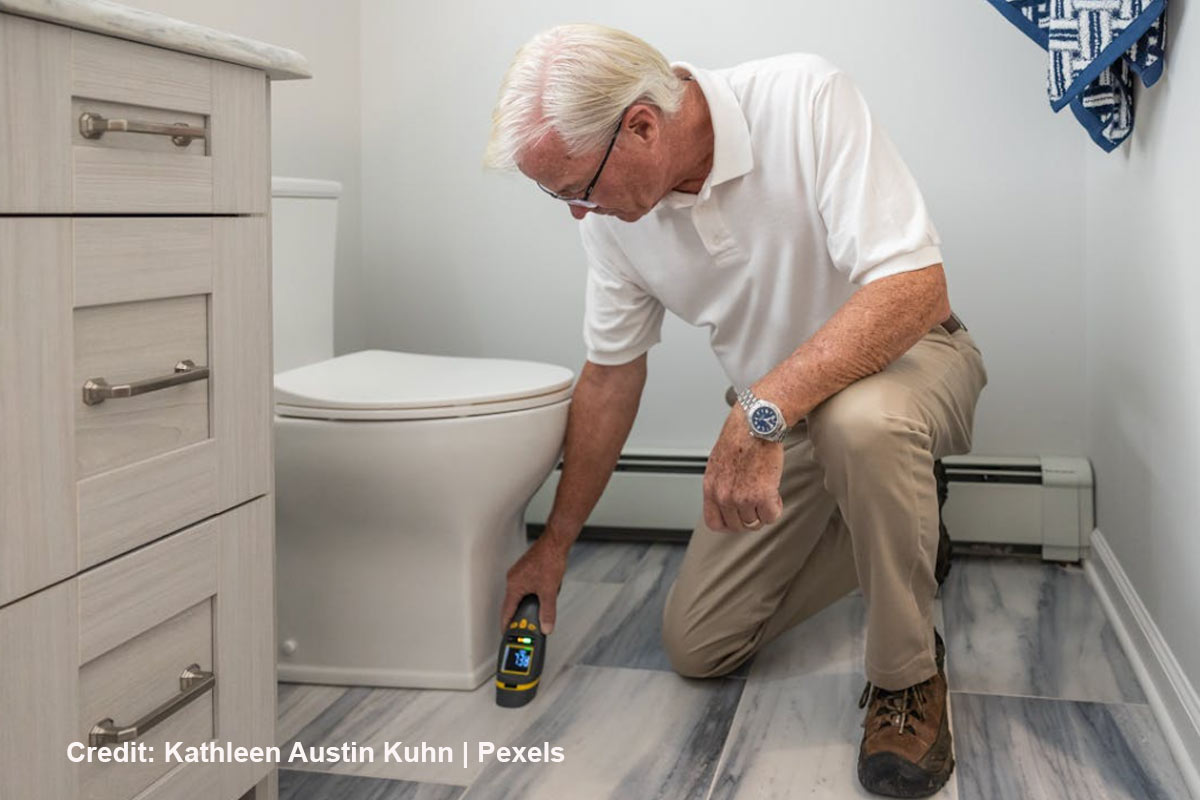
Conducting home checks does not have to ruin your relationship with your residents. Frame the visit as a helpful way to ensure their home stays safe and comfortable. Treating the occupant with professional courtesy encourages them to report small issues early. Using landlord inspection best practices builds a collaborative relationship that protects your rental income over the long term.
- Scheduling with Open Communication: Talk to your resident before sending the official written notice. Offer a few different time slots so they can choose a time that fits their work schedule.
- Inviting the Tenant to Attend: Encourage the occupant to walk through the rooms with you during the process. They can point out sticky doors or slow drains that you might otherwise miss.
- Keeping the Focus on Property: Limit your comments strictly to the physical structure and safety items. Never judge their cleaning habits or interior design choices unless it creates a fire hazard.
- Sharing Your Final Findings: Give a copy of your completed checklist to the resident after the visit. Showing them your notes builds trust and keeps everyone informed about upcoming repair schedules.
- Thanking Residents for Upkeep: Send a quick note to thank them if they keep the place clean. Recognizing their effort encourages them to continue taking good care of your real estate investment.
Executing regular, lawful unit assessments protects your real estate asset from hidden structural decay and expensive legal disputes. By following provincial rules, giving proper notice, and using a structured walkthrough checklist, you protect your cash flow while keeping a great relationship with your tenants. Consistent maintenance checks save thousands of dollars and ensure your investment grows steadily over time.
Managing these legal duties, tracking notices, and handling room checklists takes significant time and effort. If you want professional support to protect your investments, let an expert team handle the work. Rest Easy Property Management handles every step of the process, from move-in reports to routine maintenance. Contact Rest Easy Property Management at (343) 880-EASY (3279) to secure your investments today.