
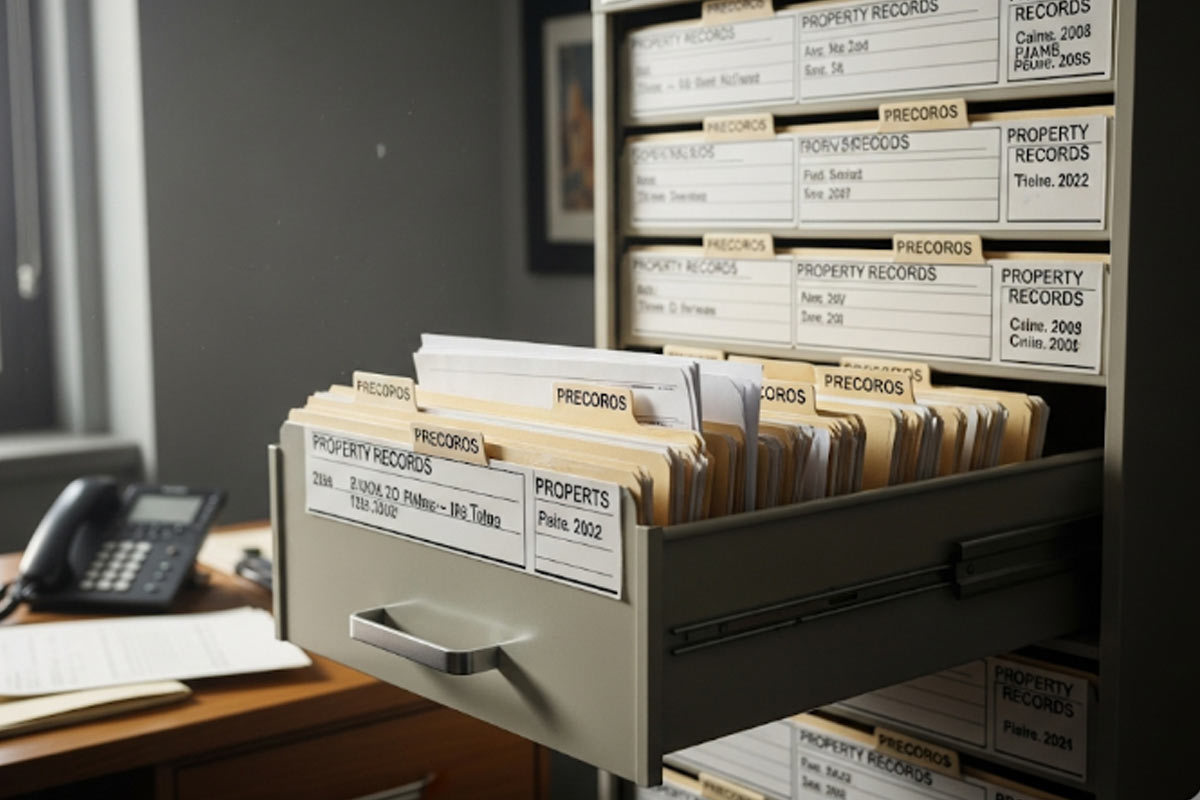
The arrival of tax season can bring a sense of deep unease for many, and for owners of rental properties, this feeling is often magnified. The prospect of sorting through a year’s worth of financial paperwork can be daunting. From forgotten receipts to lost invoices, the disorganization can quickly turn a simple task into a major headache, bringing with it the worry of missing key deductions or facing a Canada Revenue Agency (CRA) audit. But it doesn’t have to be this way. By adopting a straightforward and consistent method for organizing your records year-round, you can transform the tax-time ordeal into a manageable process. This proactive approach will not only reduce your stress but also help you maximize your eligible tax deductions, offering you greater financial control and peace of mind.
Why Organization is Your Best Friend
Establishing a solid system for your rental property records is crucial for financial clarity and peace of mind. A well-organized approach simplifies the annual tax preparation and supports the overall health of your investment. It ensures you have a comprehensive view of your finances, from income to expenses, at any given moment.
- Avoids Penalties and Interest
Staying on top of your financial records helps you prevent costly errors. The Canada Revenue Agency (CRA) can impose penalties on landlords who misreport income or expenses. According to the CRA, intentional negligence can result in fines up to 50% of the tax owed, in addition to interest charges. Proper organization is your best defense against such penalties. Keeping rental property financial records organized is critical for compliance.
- Simplifies Audit Preparation
Having your documents in order makes it much easier to respond if the CRA decides to audit you. An organized system allows you to quickly produce any required receipts or invoices, showing the auditor that your claims are legitimate. This level of readiness can often expedite the audit process and build trust with the tax authorities. Efficient record-keeping for rental properties is a proven strategy.
- Maximizes Deductions
A thorough record-keeping system ensures you capture every possible expense deduction. Small items like office supplies, mileage for property visits, and maintenance costs can add up quickly. Without proper documentation, these deductions might be missed, leading to a higher taxable income. A tidy process ensures you take full advantage of every eligible expense. Maximizing rental income deductions requires meticulous record-keeping.
- Provides a Clear Financial Picture
Organized records give you a real-time understanding of your property’s profitability. You can easily analyze income streams and expense patterns, which helps in making better business decisions. This clarity allows you to see where your money is going and identify areas to improve cash flow. Staying on top of your rental property records provides financial clarity.
- Reduces Stress at Tax Time
The psychological benefit of being organized cannot be overstated. When all your documents are neatly filed and easily accessible, the stress of tax season disappears. Instead of a frantic search, you can simply hand over a complete file to your accountant or prepare your own return with confidence. A good record-keeping system for landlords leads to a stress-free tax season.
Key Documents You Need to Keep
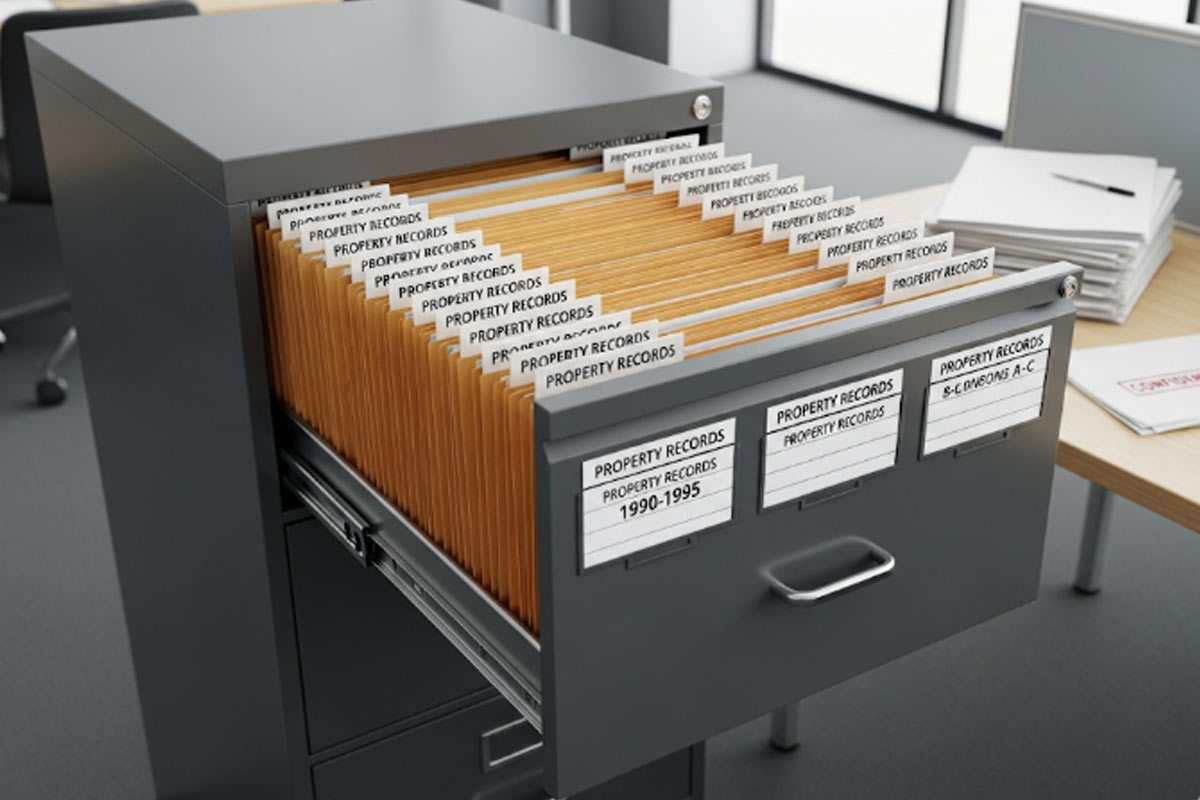
Maintaining a comprehensive set of documents is a non-negotiable part of managing your rental investment. The CRA requires you to keep records for six years from the end of the last tax year they relate to. This section outlines the essential paperwork that landlords must retain to support their tax filings and financial reports.
- Rental Income Records
You need to keep detailed records of all rental income received, including rent payments, laundry income, and parking fees. This includes rent rolls, bank deposit slips, and any other evidence of income. This documentation confirms the total revenue from your property. Tracking rental income is essential for accurate tax reporting.
- Mortgage and Interest Statements
Keep all annual mortgage statements. The interest portion of your mortgage is a deductible expense. Ensure you have the statements showing the principal and interest paid. This is a significant deduction for most rental properties. Proper documentation of mortgage interest is a key deduction.
- Property Tax Receipts
Property taxes are a major deductible expense. You must save all property tax assessment notices and proof of payment. This serves as evidence for the amounts claimed on your tax return. Without this, the CRA can disallow the deduction. Maintaining property tax records is crucial for expense claims.
- Insurance Premium Invoices
The premiums you pay for insurance on your rental property are deductible. Keep all invoices and receipts from your insurance provider. These documents confirm the cost of coverage for your property. Keeping insurance premium receipts is necessary for claiming expenses.
- Repairs and Maintenance Records
Any money spent on keeping the property in good repair is a deductible expense. Save all invoices and receipts for repairs, such as fixing a leaky roof or replacing a broken appliance. Be sure to differentiate between a repair and a capital improvement. Organizing repair and maintenance documents is vital for landlords.
- Utility Bills
If you are responsible for paying utilities like hydro, gas, or water for the rental unit, these costs are deductible. Keep a file of all utility bills, as they are a regular, verifiable expense. This is particularly important for multi-unit properties where some utilities might be included in the rent. Tracking utility bills for rental property is a standard practice.
- Advertising and Marketing Expenses
Costs incurred to find new tenants, such as advertising fees on websites or in newspapers, are deductible. Keep receipts for all of these expenses. This includes the cost of screening tenants and credit checks. Landlords need to retain advertising expense records.
- Property Management Fees
If you use a property management company, the fees you pay them are fully deductible. Keep all invoices from the management company. These documents provide a clear record of the costs associated with their services. Managing rental property records for fees is important for tax purposes.
- Vehicle Expenses
If you use your personal vehicle for rental property business—like driving to inspect the property or pick up supplies—you can deduct a portion of the expenses. Maintain a mileage log with dates, destinations, and the purpose of each trip, along with receipts for gas and maintenance. Accurate vehicle expense tracking for landlords is recommended.
- Capital Cost Allowance (CCA) Records
This is a more complex area, as CCA relates to the depreciation of a building or its components. Keep records of the original cost of the property, any major renovations, and any assets purchased for the property, such as appliances. These documents support the calculation of CCA. Capital cost allowance for landlords requires detailed documentation.

By implementing a well-structured system for your records, you are not just preparing for tax season; you are building a strong foundation for the long-term success of your rental property business. A proactive approach to record-keeping provides transparency and control, turning a dreaded annual task into a straightforward process. The feeling of being completely prepared and in control of your financial information is invaluable.
The journey toward stress-free tax season begins with a single step: taking control of your documents today. This simple act can save you time, money, and a great deal of anxiety. As you move forward with your property investment goals, remember that meticulous records are your best asset. If you feel overwhelmed or need expert assistance in managing your property and its records, consider contacting Rest East Property Management at (343) 880-EASY (3279).