
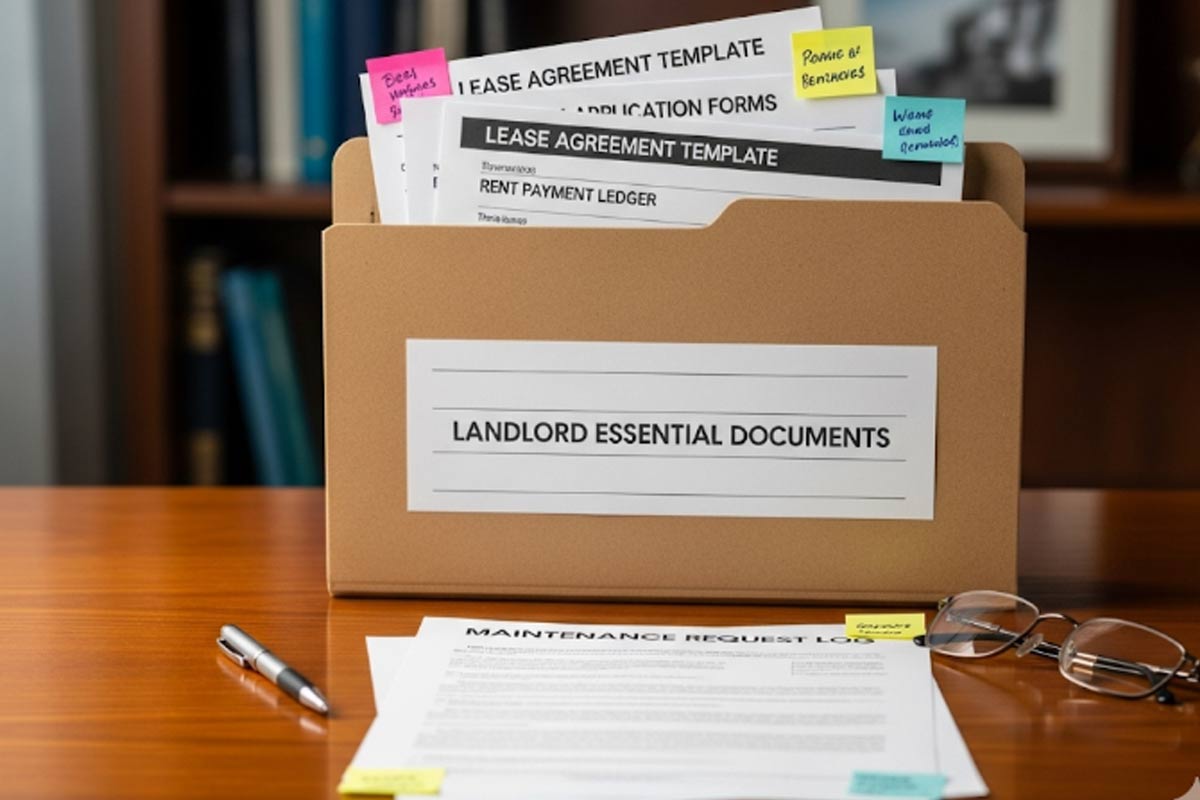
A notice arrives from the Canada Revenue Agency (CRA) requesting an audit of your rental property income and expenses from two years ago. Immediately, a wave of panic sets in. You remember stuffing a shoebox full of receipts and old paperwork but have no idea if you kept everything you need. This is a common and stressful situation for many landlords. Maintaining accurate and organized records is more than just good business practice; it’s a vital form of protection for your assets and your peace of mind. Without proper documentation, a simple tenant dispute or an unexpected audit can become a financially and legally challenging ordeal.
This guide will provide a clear, practical roadmap outlining the essential documents every Canadian landlord should keep. We will explain why each record is so important and for how long you need to retain it. By following this checklist, you will be well-prepared for any situation, from a minor disagreement with a tenant to a formal review by a government agency. We will cover the crucial areas of tenant screening, lease agreements, financial statements, and property maintenance, providing you with a complete system for protecting your investment.
Why Good Record-Keeping is Non-Negotiable
Organizing your records is a powerful way to protect your business. It protects you from financial loss, legal problems, and disputes. Proper landlord document retention is the foundation of a sound rental operation.
- For Legal Defence
When a tenant dispute arises—whether over a security deposit, property damage, or unpaid rent—having a clear paper trail is your strongest defence. The Residential Tenancies Act in each province and territory governs landlord-tenant relations, and tribunal or court decisions often hinge on the evidence provided by both parties. Proper records protect your position. Landlord record-keeping is a crucial step in preparing for potential legal action.
- For Financial Accuracy
The CRA requires landlords to report all rental income and claim eligible expenses. Missing receipts for repairs, property taxes, or insurance can lead to disallowed deductions and a higher tax bill. Meticulous records ensure you can maximize your deductions and accurately report your income, avoiding costly penalties and interest. Financial record management for landlords is key to maximizing profits.
- For Tenant Screening and Relations
Detailed application forms, background check results, and communication logs are essential. They demonstrate due diligence during the screening process and provide a factual timeline of your interactions with a tenant. This documentation can prove you followed fair housing laws and did not discriminate. Tenant file organization streamlines your administrative work.
- For Property Maintenance
Records of all repairs and maintenance work, including receipts, invoices, and a log of service calls, are vital. They prove you have fulfilled your duty to maintain the property. In a dispute, you can show the dates and details of every repair, proving you addressed issues promptly and professionally. Property management documentation is a must for successful operations.
- For Insurance Claims
If your rental property suffers damage from a fire or flood, your insurance provider will require proof of lost income, repair costs, and inventory of damaged items. Keeping comprehensive records, including photos and receipts for upgrades, will simplify the claims process and ensure you get a fair settlement. Rental property record-keeping is essential for securing your investment.
The Landlord’s Essential Document Checklist
Keeping a detailed collection of papers is an important business practice. A comprehensive Canadian landlord checklist provides a framework for staying organized. Here are the files you need to hold on to and how long to keep them.
- Rental Application Forms
These forms are the first step in the tenant screening process. They contain personal information, references, and employment details. Keep these documents for the duration of the tenancy and for at least one year after the tenant vacates. This protects you if a claim of discrimination is made. Tenant screening documents should be filed carefully.
- Lease Agreements and Addendums
The lease agreement is the most important document. It outlines the terms of the tenancy, including rent, duration, rules, and responsibilities. According to the Canada Mortgage and Housing Corporation (CMHC), a detailed lease protects both parties. Keep a signed copy of the original lease and any subsequent addendums or renewals for at least three to seven years after the tenancy ends, depending on provincial statutes of limitations for contracts. Residential lease agreement retention is crucial.
- Move-in and Move-out Inspection Reports
These reports, often with accompanying photos or videos, document the condition of the property at the beginning and end of the lease. They are your primary evidence in a dispute over damage or the return of a security deposit. Retain these reports for the entire tenancy and for at least five years after the tenant moves out. Move-out inspection forms are critical for deposit disputes.
- Proof of Rent Payments
Maintain a clear record of all rent payments. A ledger or spreadsheet detailing payments, dates, and outstanding balances is essential. These records are vital if you ever need to pursue a non-payment of rent claim at a tribunal. Keep these records for the duration of the tenancy and for three years after the lease ends. Rent payment records are a non-negotiable part of your financial files.
- Invoices, Receipts, and Financial Statements
This category includes all expenses related to the property: property tax statements, mortgage interest, insurance premiums, utility bills, maintenance receipts, and invoices for repairs. The CRA recommends keeping these records for at least six years from the end of the last tax year they relate to. This is a crucial area for audit defence. Rental property expense documentation is key for tax season.
- Tenant Communication Log
Keeping a record of all correspondence with tenants is a smart practice. This can include emails, text messages, and a log of phone calls. This log can be a powerful piece of evidence in a dispute, showing when issues were reported and how you responded. Keep this log for the duration of the tenancy and for two years after the tenant moves out. Landlord-tenant communication logs provide a clear history.
- Insurance Policy Documents
Your landlord insurance policy, including proof of payment and any endorsements, should be kept readily available. This is crucial in case of a claim. According to the Insurance Bureau of Canada (IBC), maintaining a current policy is a key responsibility. Keep copies of old policies for at least seven years. Landlord insurance policy files are a must-have for your records.
- Property Title and Legal Documents
Documents related to the ownership of the property, such as the deed, are permanent records. You should also keep a file of any legal notices, eviction notices, or tribunal orders. These are critical records that should be kept indefinitely. Property ownership documentation should be stored safely.
- Contractor and Vendor Agreements
Maintain copies of contracts with any service providers, such as plumbers, electricians, or lawn care companies. These documents confirm the scope of work, costs, and terms. Keep these for as long as the contract is active and for at least five years after the work is completed. Property vendor contracts should be kept on file.
Best Practices for Document Management
Organizing your documents requires a system that works for you. Whether you prefer a physical or digital approach, consistency is the key. Your system for landlord file management should be simple to use and easy to maintain.
- Digitize Everything
Scanning all your physical documents—receipts, invoices, and signed forms—and saving them as PDFs is a great idea. This creates a secure, searchable backup that is less prone to damage or loss. You can then use cloud storage for an extra layer of security. Digitized landlord documents are easily accessible and secure.
- Create a Consistent Filing System
Whether you use a physical file cabinet or a digital folder structure, be consistent. Organize documents by property, and then by tenant or tax year. For example: Property Address/Tenant Name/Lease Agreement, or Property Address/Tax Year/Invoices. Organized property files make a big difference.
- Use a Cloud-Based System
Services like Google Drive, Dropbox, or OneDrive allow you to store documents securely in the cloud. This protects you from losing files due to a hard drive failure or a fire. It also lets you access your documents from anywhere. Cloud storage for landlords provides security and convenience.
- Schedule Regular Record-Keeping Time
Don’t let receipts and paperwork pile up. Set aside a specific time each month to process new documents, scan receipts, and update your files. This keeps the task from feeling overwhelming. Monthly record-keeping for landlords makes tax time easier.
- Keep a Backup Copy
Even with a digital system, it’s wise to have a backup. This could be an external hard drive or a separate cloud service. Having a duplicate set of files is a crucial part of a robust document management plan. Backup copies of landlord records are vital for security.
- Stay Up to Date on Regulations
Provincial laws regarding record retention can change. For example, some jurisdictions have specific rules for how long you must keep security deposit information. Stay informed on the latest regulations from your provincial residential tenancy branch. Staying current with tenancy laws is part of your professional responsibility.
A thorough and organized record-keeping system is the foundation of a successful rental business. It’s your first line of defence against legal disputes, a tool for financial optimization, and a way to demonstrate professionalism and expertise. By following the checklist and best practices outlined here, you can move from a state of panic and disorganization to one of confidence and control. Being an effective landlord means more than just collecting rent; it means managing your business with precision and care.
Protect your assets and gain peace of mind by putting these strategies into practice. For expert help in managing your rental property and ensuring all your paperwork is in order, contact Rest East Property Management at (343) 880-EASY (3279).