

Overview
- Gathering complete tenant screening records verifies an applicant’s real identity and prevents tenancy fraud before lease signing.
- Income verification confirms whether a prospective renter earns enough cash flow to cover rent payments without default.
- Formal credit assessments indicate debt habits, repayment timeliness, and outstanding collection accounts.
- Landlord reference letters and rental histories show how a renter treated former units and honoured lease rules.
- Move-in paperwork, such as condition inspections and insurance binders, shields both parties against future property disputes.
- Requiring clear identification documents aligns with provincial tenancy legislation and protects real estate assets.
Selecting reliable occupants for an investment property requires objective facts and systematic verification. Property owners face ongoing financial exposure when leasing units without confirming who is moving in, how much money they earn, and how they handled previous tenancy obligations.
Gathering standard documents on an application establishes financial capacity, confirms legal identity, and reveals past rental conduct. A structured documentation process allows property managers to assess risk consistently, adhere to fair housing guidelines, and maintain stable tenancy arrangements over time.
Why Is Standard Documentation Necessary Before Handing Over Keys?
- Identity confirmation and fraud avoidance
Requiring official credentials stops unauthorized individuals from misrepresenting their background or signing leases under synthetic profiles. Verifying valid identification ensures the leaseholder is legally accountable for the tenancy obligations under provincial law. This check safeguards real estate assets against unauthorized sublets and fraud schemes.
- Assessment of real debt liabilities
Financial reports reveal ongoing debt payments that bank statements hide. An applicant with high earnings may still carry severe credit card balances, personal loan obligations, or child support orders that consume cash flow. Standard credit documentation provides an accurate assessment of actual monthly solvency.
- Compliance with privacy requirements
Collecting documents with signed consent forms keeps property owners aligned with provincial and federal privacy rules, including the Personal Information Protection and Electronic Documents Act. Formal intake forms establish lawful collection limits. They document exactly why data is collected, stored, and eventually destroyed.
- Protection against costly legal proceedings
According to reports published by Tribunals Ontario, the Landlord and Tenant Board processes tens of thousands of eviction applications each year, with non-payment of rent representing the majority of dispute filings. Securing complete upfront proof of solvency minimizes the risk of extended tribunal hearings and lost rental income.
Which Government-Issued Identification Confirms Identity?

- Provincial driver’s licence verification
A valid provincial driver’s licence verifies the legal name, photograph, birth date, signature, and current residential address. Property managers use this primary identity credential to match public record files, run accurate background screenings, and confirm that the prospective tenant is legally authorized to enter contracts.
- Valid passport documentation
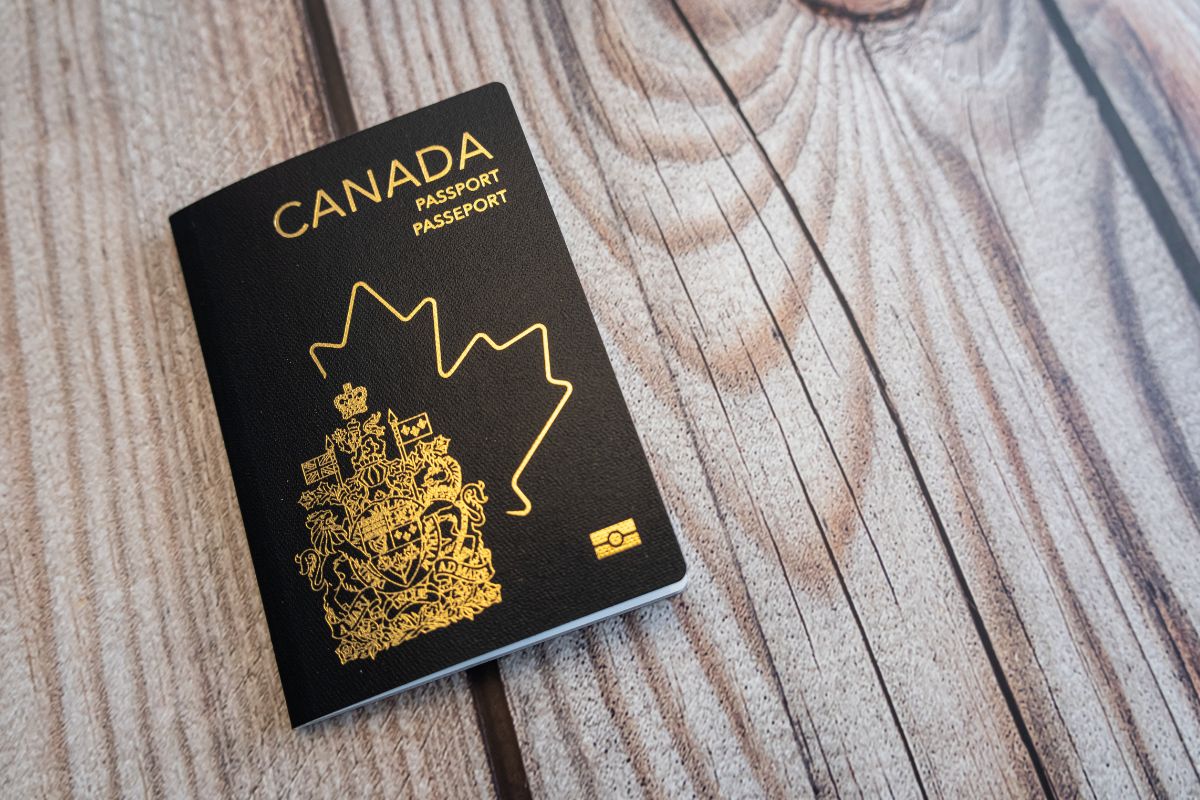
A Canadian or foreign passport provides reliable confirmation of legal identity for newcomers, foreign students, and applicants without local driver credentials. Passports include standardized security features that are difficult to forge. This document confirms the applicant’s official name and nationality for lease drafting.
- Provincial photo identification card
Non-drivers often hold an official provincial photo card issued by regional transport ministries. This government credential confirms age, residency, and photograph without requiring vehicle operating privileges. It serves as an accessible primary photo identification document for adult applicants across Canadian jurisdictions.
- Permanent resident card or study permit
Newcomers to Canada can present an official Permanent Resident card, valid work visa, or formal study permit. These federal documents verify legal presence in the country. They confirm identity for applicants who have not yet obtained provincial driving licences or regional identification cards.
What Documents Prove Monthly Income and Financial Capacity?
- Recent pay stubs
Requesting consecutive pay stubs from the past two to three months confirms active employment and steady gross earnings. These statements show tax deductions, regular work hours, and employer business numbers. Comparing year-to-date totals against weekly sums exposes altered or counterfeit electronic documents.
- Official letter of employment
A formal letter printed on corporate stationery provides verification of job title, employment status, hire date, and annual base compensation. Landlords use this letter to contact company supervisors directly, confirming that the applicant is not currently on probation or facing immediate work termination.
- Three months of complete bank statements
Bank account summaries display actual payroll direct deposits entering the applicant’s account each pay period. Reviewing these statements confirms regular cash balances, reveals irregular overdraft usage, and highlights non-sufficient fund charges. Unaltered bank records provide direct proof of liquidity and day-to-day spending habits.
- Notices of Assessment from the Canada Revenue Agency
For self-employed applicants or independent contractors, the federal Notice of Assessment provides verified annual earnings figures. According to guidelines published by the Canada Mortgage and Housing Corporation (CMHC) for mortgage and rental underwriting, official tax assessments provide the clearest proof of net taxable income, free from self-reported inflation.
What Paperwork Reveals Past Rental History and Landlord Disputes?
- Contact details for previous housing providers
Contact information for the past two housing providers allows owners to inquire about past payment timing, noise complaints, property cleanliness, and proper notice periods. Contacting previous housing providers rather than just the current one prevents receiving false positive reviews from managers eager to see difficult tenants leave.
- Rent payment receipts and ledgers
Official rent receipts or historical tenant ledgers demonstrate whether the applicant consistently transferred shelter costs on the agreed date. Bank debit entries matching historical rent payments confirm that the renter prioritized monthly housing costs. This empirical payment record substantiates applicant claims of good tenancy history.
- Consent form for credit and background checks
A signed background consent document authorizes the property owner to obtain consumer credit reports through bureaus such as Equifax or TransUnion. According to the Financial Consumer Agency of Canada, consumer credit disclosures display legal judgments, payment defaults, and registered collections, allowing landlords to evaluate fiscal responsibility directly.
What Additional Documents Protect Your Property at Move-In?
- Proof of tenant liability insurance
Requiring an active tenant insurance certificate confirms that the renter carries personal property protection and personal liability coverage. This policy protects both parties if accidental water overflows, kitchen fires, or third-party injuries occur inside the rented unit. A copy of the policy binder must be retained on file.
- Standard form lease agreement
Executing a legally compliant residential tenancy agreement binds both parties to statutory rights and obligations. In provinces like Ontario, utilizing the mandatory standard lease template ensures all clauses comply with local tenancy law. It clarifies maintenance duties, permitted occupants, payment schedules, and basic residential rules.
- Move-in inspection report
A thorough move-in inspection checklist documents existing wear, scratches, appliance conditions, and wall surfaces prior to occupancy. Both landlord and tenant inspect the premises together, record details, sign the report, and append dated photographs. This inspection record eliminates disputes over security deposits or repair costs when the lease ends.
- Pet registration and vaccination records
Where local statutes permit pet guidelines, obtaining veterinary records, vaccination certificates, and licensing forms verifies that domestic animals are healthy and properly registered. This paperwork confirms the breed, size, and medical standing of pets, helping landlords manage potential building allergies, safety risks, or structural wear.
Thorough document collection on every rental application is the foundation of prudent property ownership. Reviewing identity records, employment letters, tax assessments, and tenancy files removes guesswork from applicant evaluation. When property owners enforce systematic screening requirements, they protect their rental cash flow, maintain building safety, and reduce the risk of costly administrative disputes.
Managing application records, reviewing financial files, and executing legally compliant lease agreements requires consistent effort and operational knowledge. Rest Easy Property Management handles the entire placement process, from thorough document verification to smooth move-ins. For professional management support and dependable tenant placement services, contact us at (343) 880-EASY (3279).